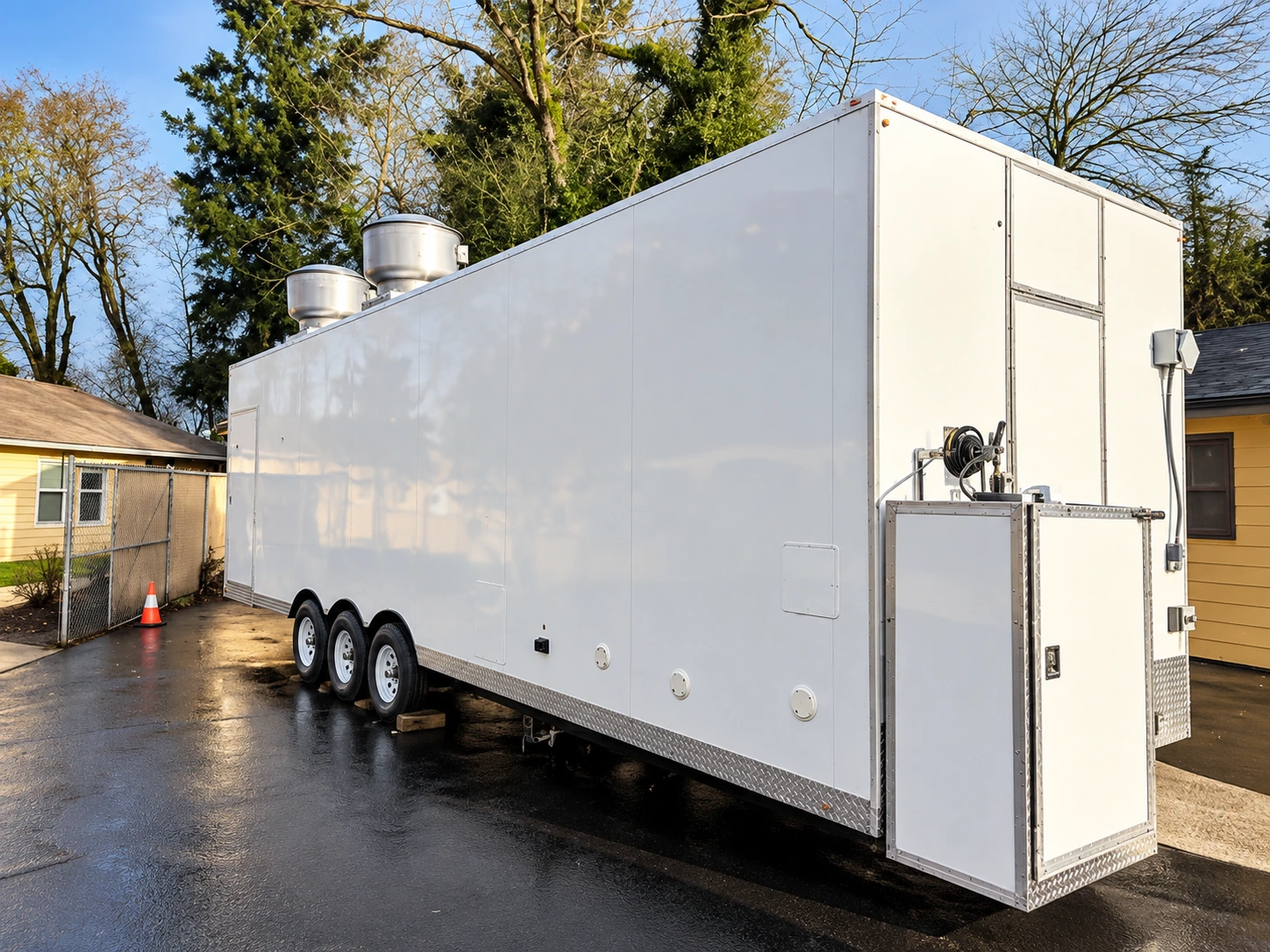
Commercial mobile kitchen trailer rentals.Keep serving.
Commercial mobile kitchen rentals from Mobile Kitchens of America provide temporary cooking space for the service you need to keep running. Discuss commercial dishwashing trailer rentals for the supporting workflow and emergency refrigeration when existing cold storage fails. Plan around renovations, construction or emergency interruptions, with short- and long-term rental inquiries welcome from healthcare, education and hospitality operations. Whether your project starts in La Plata, Maryland, Coral Hills, Maryland or Marysville, Michigan, share the actual address, menu, meal volume and operating schedule. Compare distinct configurations and matching floor plans, then identify the available utilities, proposed placement and delivery entrance. The team can check availability and discuss the equipment and access questions for your dates. Call 866-216-4651 for 24/7 rental inquiries, or open the form with your site and supporting equipment needs to request availability and a quote.
Commercial cooking space and the services around it
Commercial kitchen trailer rentals for continued food service
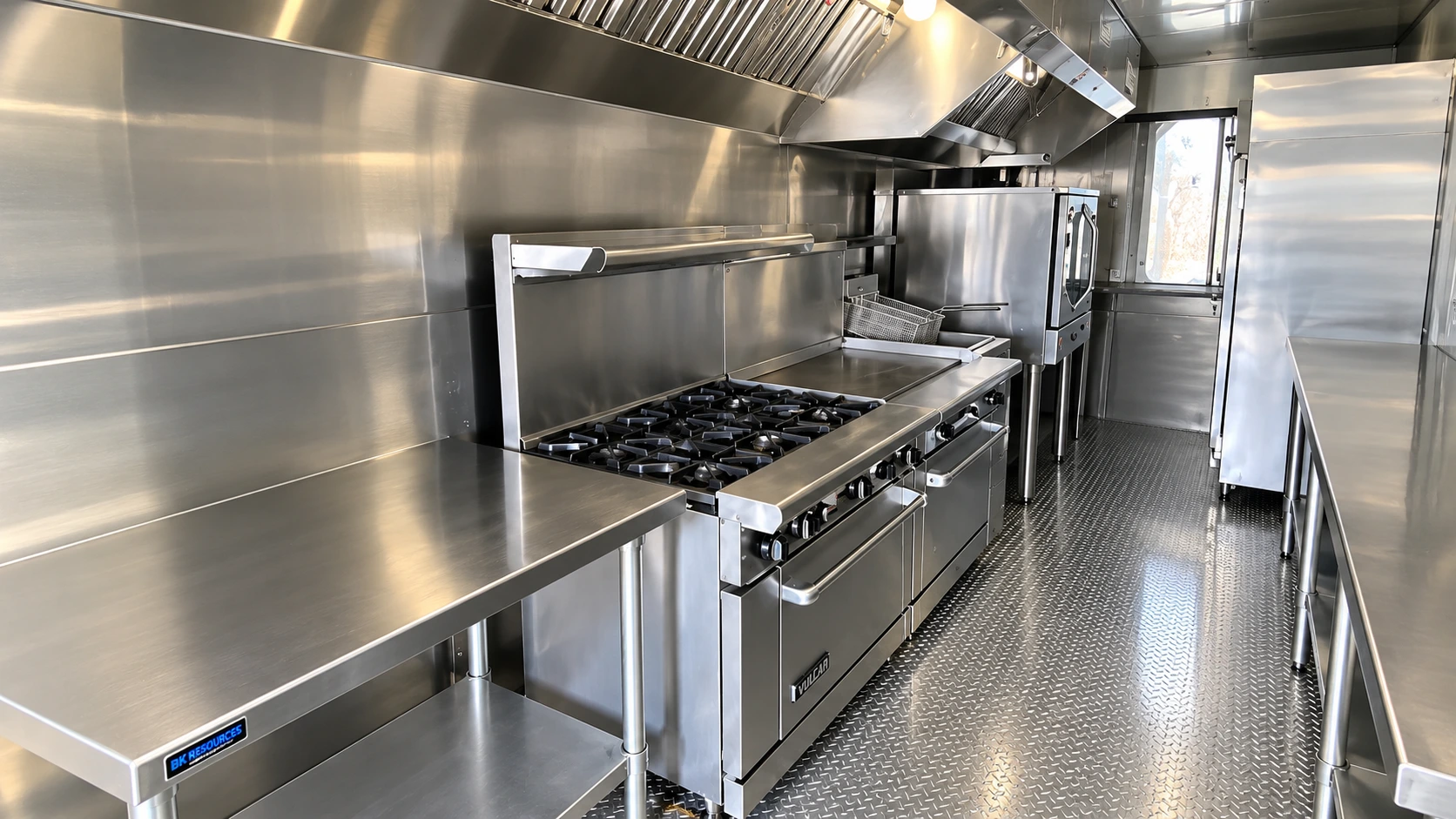
A commercial kitchen trailer provides temporary food-production space when an existing kitchen is unavailable or the project needs a separate cooking facility. Start with the meals that must continue: the menu, preparation steps, service hours and peak volume. For a renovation inquiry in Pinedale, Wyoming, identify which appliances and workstations must move out of the building and which can remain. That distinction helps you compare a kitchen rental with a larger arrangement of cooking, dishwashing and refrigerated storage.
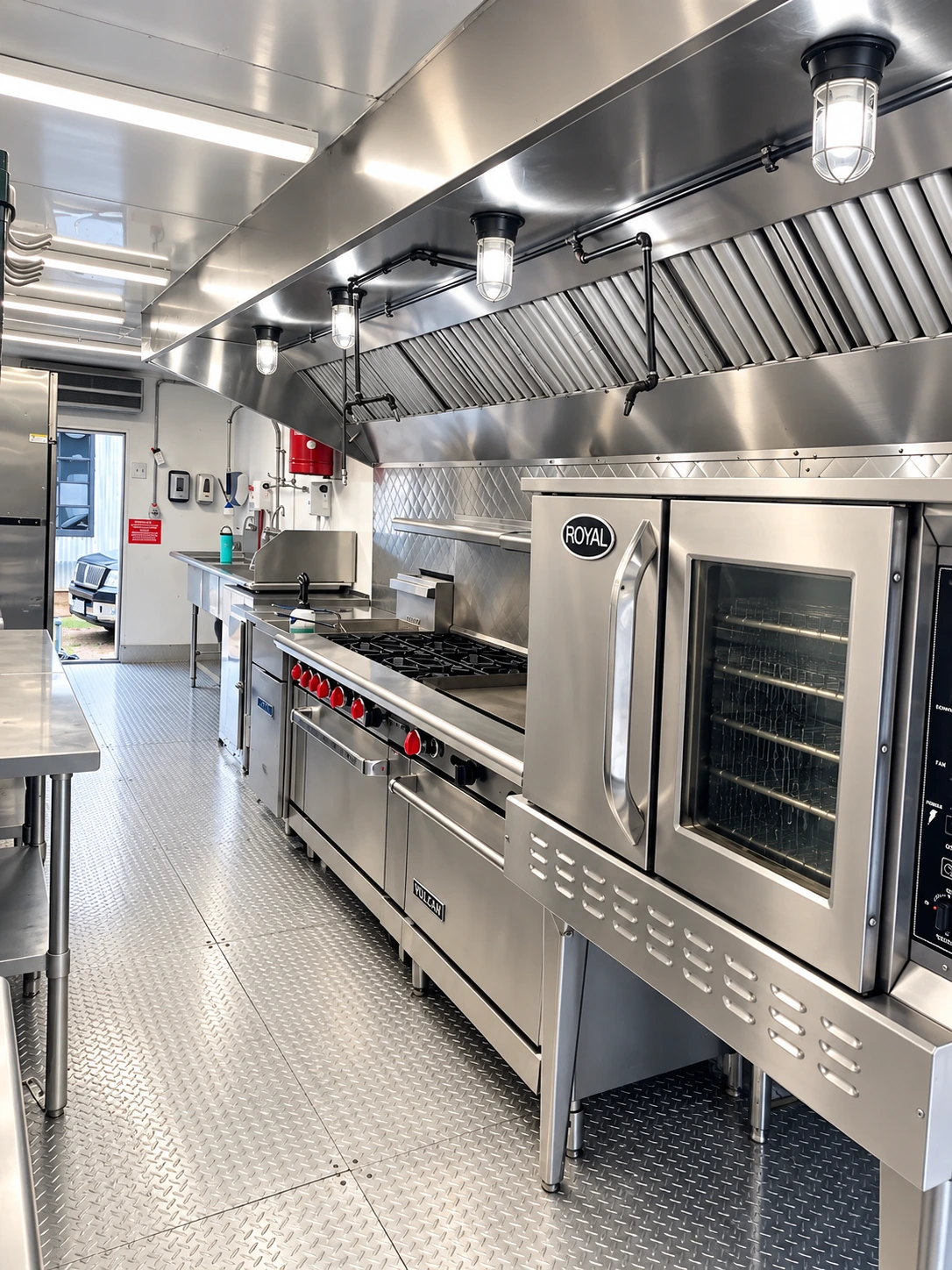
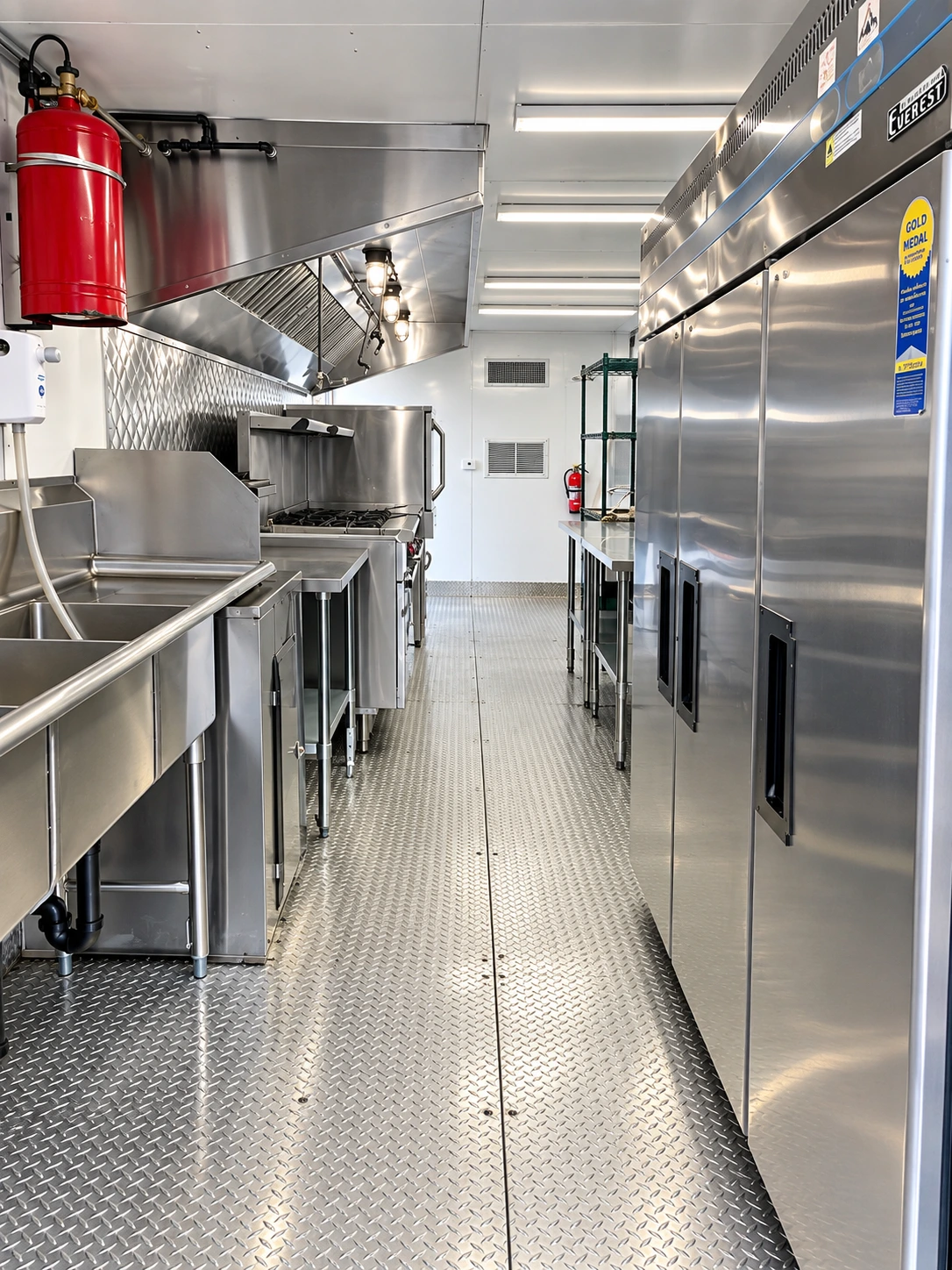
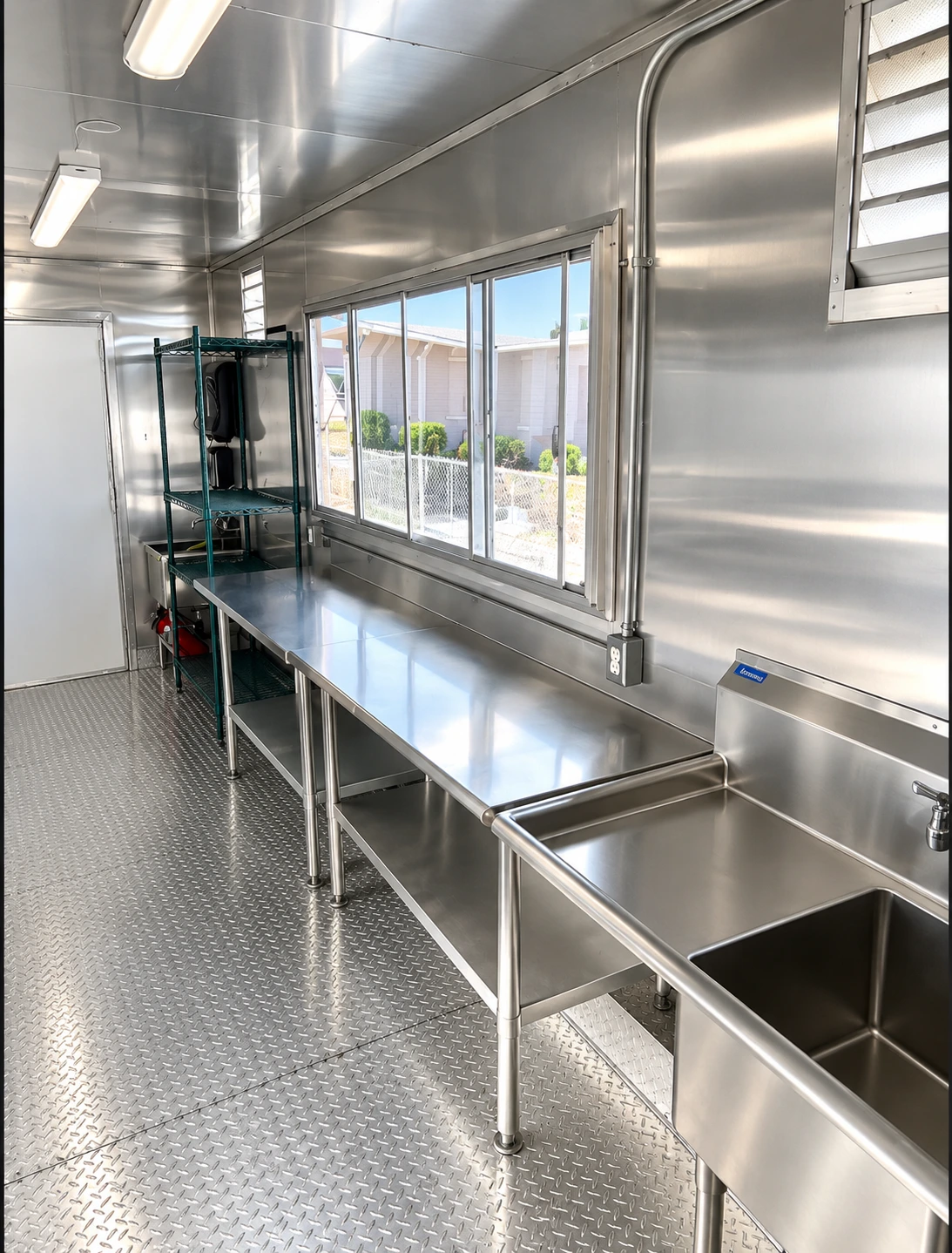
Review the actual equipment before choosing by length. The published 28ft kitchen reference names a six-burner range, oven, griddle, sinks, preparation areas and refrigeration; its reference drawing has differences that need confirmation. Other kitchen configurations have their own equipment lists and price references. A nominal size does not establish output, staffing capacity or a fit for your menu. Open the commercial kitchen trailer rental lineup and compare the named functions, then request the assigned unit’s current details.
Temporary cooking space also changes how the operation receives ingredients, stores food and dispatches meals. Describe where staff will enter, where preparation begins and how food reaches service. A kitchen inquiry for Big Timber, Montana should include the actual placement area and available connections before the site team coordinates other work. Discuss a short interruption or a longer commercial kitchen lease around the same operational requirements; duration does not remove the need to confirm equipment, access and local approvals.
Before comparing the cook line, separate food prepared ahead from items finished during the busiest service period. Explain which preparation tasks need counter space and which need a named appliance. If the menu changes during the rental, identify that possibility in the inquiry. Ask the team which configuration can support the proposed workflow, and have the facility decide staffing and safe operating procedures. A published equipment list helps frame those questions; it does not establish a production rate for your operation.
Commercial dishwashing trailer rentals for a separate warewashing flow
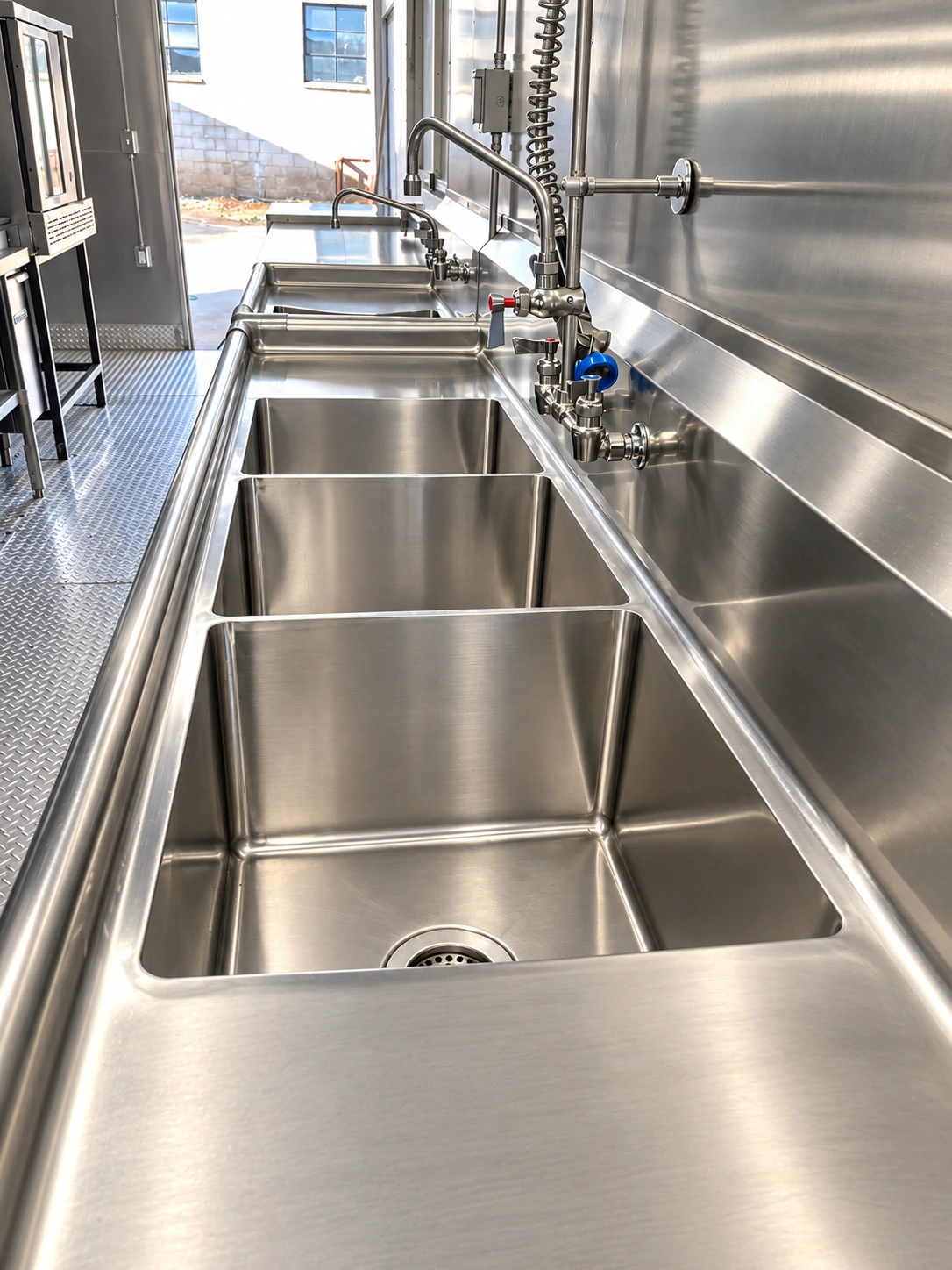
A commercial dishwashing trailer provides temporary warewashing space so reusable dishes and utensils can move from soiled receiving to washing and clean storage. Share the type and volume of items and the busiest return period. If a project in Salida, Colorado keeps meal service indoors but moves dishwashing outside, explain the route between the two spaces. That route is part of the operating plan, alongside the actual machine, utility supply and staff workflow.
The offered dishwashing configurations retain their own reference information. The 22ft and 26ft low-temperature equipment records name a push-through machine, soil tray, scraping table, three-compartment sink and handwashing sink. Other named offerings require their actual configuration to be confirmed. Compare the commercial dishwashing trailer rental options, ask for the correct floor plan and discuss the utility requirements. Supporting warewashing is a separate rental discussion; it is not automatically included in the commercial kitchen’s starting figure.
Emergency refrigeration rentals for a storage interruption
Emergency refrigeration provides temporary cold storage when the existing refrigeration or freezer is unavailable. Explain the storage failure and the products that need replacement space. Describe the products, required storage conditions, loading routine and usable space the project needs. The 20ft refrigeration trailer and 40ft refrigeration container are distinct offerings; their names do not establish identical connections or loading arrangements. Ask for the selected equipment’s current specifications and available configuration rather than applying a kitchen trailer’s utility reference to refrigerated storage.
For an emergency refrigeration inquiry in Sisters, Oregon, map how ingredients move from receiving and cold storage into preparation. Confirm which existing storage remains available and what must move into temporary space. Review the emergency refrigeration rental category with the kitchen and dishwashing requirements, then have the quote identify each unit and included service. Site readiness, utilities and delivery arrangements need to be resolved for each piece of equipment in the plan.
Industries we serve: plan around the operation
The project type changes the questions a temporary kitchen needs to answer. These are planning examples for commercial and institutional inquiries, not claims about completed customer projects. Describe the service that must continue and the people who depend on it.
Healthcare and education
A healthcare inquiry should identify meal schedules, receiving arrangements and the facility’s requirements for separating construction from food-service activities. For schools and colleges, include the academic calendar, meal periods and the changeover between the existing kitchen and temporary operation. A hypothetical closure in Stowe, Vermont might retain dining space while moving preparation outside; explain that split so equipment selection follows the actual workflow. The responsible facility and authorities confirm the applicable operating requirements.
Government, military and correctional facilities
Share procurement requirements, controlled-entry procedures and the site coordinator who can arrange access. Explain service windows and how supplies, staff and equipment may enter the proposed area. A project discussion for Dahlonega, Georgia should distinguish delivery access from routine daily access. A rental inquiry does not establish clearance, a government contract or approval to work inside a controlled facility.
Hospitality, golf and catering
A hotel, club or catering operation may need to preserve guest service while its kitchen changes. Identify the menu, banquet or event schedule, peak meal period and the space still available in the building. For a planned event in Wickenburg, Arizona, distinguish cooking from holding and meal dispatch before choosing appliances. The equipment discussion should follow the service you intend to provide rather than an assumed capacity based on trailer length.
Construction and emergency operations
Construction projects need a delivery sequence that fits ongoing trades and the intended food-service schedule. During an interruption, identify lost functions and any utilities that remain usable before selecting replacement space. Share who can approve the setup and how the proposed area can be reached. Availability, placement and timing are confirmed for the specific address; an industry listing does not establish a ready installation.
For each audience, include the difference between routine daily service and the busiest scheduled period. A club’s event, a school’s lunch window or a facility’s shift change can create different equipment questions even when daily totals look similar. Describe that pattern instead of asking the rental team to infer it from the industry name.
Reliable food-service space depends on the equipment and the plan around it. During a renovation, construction project or emergency interruption, a useful rental discussion starts with the functions you need to keep running. We bring the offered configurations, reference information and inquiry channels together so your team can resolve the questions before arranging the work.
Deployment planning: Share the required start date, site readiness and access constraints early so the team can check availability and discuss a delivery sequence without assuming an unconfirmed dispatch time.
24/7 emergency inquiries: The phone line accepts rental inquiries around the clock, giving your team a way to explain an interruption and request the equipment and timing available for that project.
Project coordination: Discuss cooking, warewashing and refrigeration together so the quote can identify the separate units, connections and included services needed for the temporary operation.
Flexible rental discussions: Describe a short closure or a longer project and ask about the applicable rental duration, minimum terms and extension arrangements for the selected configuration.
Commercial equipment references: Dedicated unit pages show the supplied equipment and price information where verified, helping the facility team compare actual functions rather than choosing from a generic photograph.
Delivery access coordination: Bring the entrance, proposed position and responsible site contact into the inquiry so delivery questions can be checked before the other trades depend on the trailer’s arrival.
Why clients can assess the plan with confidence
The published inventory separates distinct configurations, retains source price labels and identifies drawings that match specific equipment. The team can be reached at 866-216-4651 for 24/7 rental inquiries. For a project in Taos, New Mexico, use those references to prepare an address-specific discussion, then ask the quotation to confirm the assigned unit, actual equipment, delivery and setup responsibilities. The confirmed quote supplies the project terms. Keep the equipment reference, placement sketch and quoted scope together so the facility and its contractors work from the same information.
Site and utility planning before the move
A kitchen floor plan describes the unit. A site plan explains how it can work beside your building, service area and other temporary facilities. Start with a placement sketch showing entrances, the proposed trailer position and known connections. For an inquiry in Ely, Minnesota, add photographs of the final approach and the person coordinating access. Public roads or a nearby highway do not confirm that a trailer can reach the proposed pad.
Check the available connections
Have the responsible trades identify the actual electrical service, including voltage, phase and amperage. Compare it with the selected unit’s confirmed requirements. Discuss potable water, wastewater handling, any fuel supply and the location of each connection. Existing services may need work or an alternative arrangement; do not assume that generators, tanks, hoses, cables or installation are included. Ask the quote to make those responsibilities clear before scheduling the changeover.
Record who will verify each connection and when that information will be available. If the placement changes, recheck the connection route and entrance arrangement. A previously reviewed sketch may no longer describe the position the delivery and installation teams are being asked to use.
Protect the working routes
Explain how staff, ingredients, meals and dirty dishes will move between the temporary space and the rest of the operation. Keep that workflow separate from the delivery vehicle’s access question. Discuss pedestrian routes, entrance arrangements and any required ramps, stairs or accessible configuration. Those features must be verified for the actual unit. A reference photograph does not establish the dimensions or compliance of the installation.
Confirm who approves what
The project address determines the authorities and responsible parties who review the setup. Ask them about the applicable food-service, building, fire, utility and accessibility requirements for that operation. For planned work in Friendly, Maryland, resolve those questions alongside the contractor’s sequence. The rental discussion helps identify missing information; it does not replace an authority’s review or establish that a proposed site is approved.
Other temporary facilities for the same project
Some projects need more than food-service equipment. The inventory includes additional temporary facilities that can be discussed with the kitchen inquiry. Describe the purpose, users and operating hours for each space, and ask the quote to identify the actual configuration and included equipment. Listing several categories together does not establish a bundled package or a stocked unit at the project location.
Showers and restroom facilities
A shower trailer provides temporary bathing space; a restroom trailer provides the facilities of its selected configuration. Shower and restroom Combo trailers bring both functions into one trailer. That does not establish a shared room, private exterior entrance, locking stall or ADA configuration. For an inquiry in Muskegon Heights, Michigan, describe expected users, service periods and the required arrangement, then confirm the actual plan, water, wastewater and servicing requirements.
Laundry and sleeper accommodation
A laundry trailer provides temporary washing and drying facilities for the equipment and machine arrangement confirmed in the quote. Share loads, shift patterns and the available utility supply. Sleeper trailers are separate accommodation offerings: the shared, contractor and VIP configurations need their own room and bed arrangements confirmed. For workforce planning in Marlton, Maryland, identify the intended use and responsible site requirements before relying on a nominal trailer length.
When several facilities share a project, list each one’s operating schedule and service contact. Confirm whether utility arrangements are separate or part of a proposed coordinated plan. Do not extend one unit’s electrical reference, machine count or layout to another category simply because they appear in the same inquiry.
Offices and multiple-use spaces
Temporary offices, containerized facilities and multiple-use Combo offerings serve different project functions. Explain which activities should share a space and which must remain separate. A kitchen/sleeper arrangement is distinct from a shower/restroom/office configuration; one plan cannot verify the other. Open the complete equipment inventory to compare categories, then request the current layout and specifications for the facility you need.
Service-area planning across the United States
Our website covers all 50 states and the District of Columbia, with selected city pages and retained county and planning references. Begin with the actual project address and required dates. The directory helps organize the location side of a rental discussion; it does not establish a local office, depot or equipment availability. An inquiry for Bladensburg, Maryland still needs its own access and utility checks before the team can confirm a plan.
Hover or focus to preview. Select to keep details open. Zoom and drag to explore; arrow keys pan the focused map. On a phone, swipe across the overview.
Ten places. One starting point.Featured city pages
Use the map to open a location page, or search the directory for the project community. For La Plata, Maryland, as for another location, check that the page matches the intended address rather than relying on a familiar name alone. Some communities share names, and the county associated with a Census reference point does not settle the authority for every address. Use the state page or contact form if the exact project community is not shown.
A request associated with Mount Airy, Maryland should include the exact address rather than assuming the city label identifies the delivery point. City boundaries, a Census reference point and a county name serve different purposes. The site must be checked with the people responsible for access, utilities and local approvals. The map supplies a way into those questions, not a preapproved route or an installation commitment.
For a location such as Westwood, Michigan, add the intended service, start date and duration alongside the address. The team can then discuss the available configuration and quotation requirements. This site’s confirmed market is the United States; ask about the actual project location before relying on any broader geographic assumption.
Five questions for an address-specific rental plan
1. Prepare for a food-service interruption.
For a hypothetical emergency closure, identify the unavailable cooking, washing or cold-storage function and the connections that remain usable. Discuss replacement space after the responsible parties assess the site. An emergency inquiry does not establish an active incident, a safe installation or immediate dispatch.
2. Fit temporary space into construction.
A hypothetical construction phase in Big Timber, Montana could change the entrance or placement area while other trades keep working. Ask the site coordinator which gate and pad will remain available, and show the proposed position on the current site plan. This scenario does not identify an announced local build or establish that equipment can reach it.
3. Plan the renovation changeover.
For a hypothetical kitchen renovation in Salida, Colorado, identify the receiving, preparation and cooking functions moving outside and the facilities staying open. Map dirty-dish return separately from meal dispatch. Discuss commercial dishwashing trailer rentals alongside the cooking arrangement; report any failed cold storage as an emergency refrigeration requirement.
4. Confirm the actual equipment approach.
An inquiry associated with Sisters, Oregon needs the actual entrance, placement and site contact. Ask who can confirm gates, turning space, ground conditions and available connections. Identify any proposed receiving or waiting area separately from the final operating pad. Confirm who controls each area before coordinating transport and delivery.
5. Request a location-specific rental cost.
The original site’s general commercial mobile kitchen monthly starting figure is $4,950. Individual configurations retain their own published rental-price rows or require a quote; this is not a verified local total. Confirm the assigned equipment, duration, delivery, setup, servicing, minimum terms and additional items for the actual address before comparing project costs.
What we need to recommend the right rental
Prepare one project brief so equipment selection and site planning start from the same information. An inquiry for Burtonsville, Maryland can begin with confirmed details and identify anything the team still needs to check.
Project city, state, ZIP code, exact address and site contact.
Equipment and project type, including emergency or planned work.
Users, meals per day, service windows and operating hours.
Dishwashing volume, shower use and laundry loads where relevant.
Desired start date, rental duration and the changeover sequence.
Available electrical service, potable water and sewer or wastewater arrangements.
Placement space, site access and any required ramps, stairs or accessible configuration.
For North Kensington, Maryland, as elsewhere, mark unknown connections or access measurements as questions. An incomplete fact should remain visible in the brief so the responsible team can resolve it before a delivery plan depends on it.
A few useful answers
Frequently asked questions
What types of commercial trailers can I discuss?
Start with commercial kitchen trailer rentals, discuss commercial dishwashing for the workflow, and flag any failed refrigeration needing emergency replacement. The inventory also lists shower/restroom Combo trailers, standalone showers and restrooms, laundry, sleeper accommodation and other temporary facilities. Describe the work each space must support. The team confirms the actual units, their equipment and availability for the requested dates; the category list is not a promise that every configuration is currently available.
How do I choose the right kitchen trailer?
Choose around the menu, preparation steps, peak service window and equipment you need to keep operating. Trailer length alone does not establish meal capacity. Identify which functions remain in the building and which move outside, then compare the named appliances and available floor plans. Ask the team to confirm the assigned cooking equipment, utility requirements and working arrangement before using a reference drawing for your project.
Can a temporary kitchen support a renovation?
A temporary commercial kitchen can provide cooking space while the permanent kitchen is unavailable. Plan the changeover before the closure: receiving, cold storage, preparation, cooking, meal dispatch and dirty-dish return all need a workable route. Share the contractor’s sequence and the functions moving out of the building. Any project schedule depends on the selected unit, site readiness, approvals and confirmed delivery arrangements rather than the renovation date alone.
What utilities does a commercial kitchen trailer require?
The actual unit determines its electrical service, potable water, wastewater and fuel requirements. Check its equipment reference and ask for the final connection information before arranging trades. Available voltage without the correct phase or amperage may not be sufficient. Also discuss hookup positions, the proposed connection routes and who will carry out the work. Do not assume generators, hoses, tanks or utility installation are included in a kitchen rental.
How should I plan commercial dishwashing and emergency refrigeration?
Plan warewashing around the quantity and type of reusable items, the service schedule and the flow from dirty receiving to clean storage. For emergency refrigeration, identify the storage failure, products, required conditions and loading routine. Those choices affect equipment, utilities and the route between trailers. Request each configuration’s actual requirements and ask the quote to identify the supporting equipment separately. A photograph or general starting rate does not establish the complete package.
Do shower and laundry trailers have separate requirements?
Yes. Shower use, laundry loads and operating hours create different water, wastewater, electrical and servicing questions. A shower/restroom Combo brings both facilities into one trailer; it does not by itself establish a shared room or accessible configuration. For laundry, confirm the actual machine count and washer/dryer split. Give the team the intended users and schedule so it can discuss the selected layout instead of relying on a nominal trailer size.
What is needed before delivery can be arranged?
Provide the actual project address, entrance, proposed placement area and site coordinator. Discuss gate openings, the approach and turning space, ground conditions, overhead obstructions, pedestrian routes and known restrictions. The responsible parties must confirm utilities and any applicable local approvals. A city page or map marker does not establish a suitable pad, delivery route or local depot. Confirm the sequence in the quote before coordinating the other work.
Are emergency and longer-term inquiries welcome?
Yes. Call 866-216-4651 for 24/7 rental inquiries, including emergency interruptions, or use the form for a planned project. Tell the team when service stopped, what must continue and the expected duration. Short- and long-term requirements can be discussed. Equipment availability, response timing, delivery and any extension terms require project confirmation; an emergency inquiry does not establish an immediate dispatch or reserve a particular trailer.
How should I compare rental prices?
Compare the exact configuration, source duration label and items included. The original site’s general commercial mobile kitchen monthly starting figure is $4,950, while individual units retain their own published rows or require a quote. Ask about minimum terms, delivery, setup, servicing and any additional equipment or charges. Have the team explain unspecified billing periods rather than converting a reference row into an unsupported daily or weekly price.
What information should I include in a quote request?
Send the city, state, ZIP code and exact address; project type; equipment; start date and duration; operating hours; and users or meal volume. Add dishwashing volume, shower demand or laundry loads where relevant. Describe power, water, wastewater, placement space, access and any stairs, ramps or accessibility needs. Include a site contact and flag what remains unknown. The team can then identify which configuration and site questions need confirmation.
Request a commercial trailer rental quote
Bring the service you need to keep running to Mobile Kitchens of America. Start with the project location, preferred start date, rental duration and equipment. Add the number of users or meals, operating hours and the kitchen functions that must move into temporary space. An inquiry in Alma, Michigan is more useful when it identifies both the confirmed details and the questions still open.
Share the available electrical service, potable water, wastewater arrangements, proposed placement area and entrance. If supporting commercial dishwashing, emergency refrigeration or another temporary facility is needed, describe it in the same request. Include the site contact who can confirm access and coordinate the other work.
Call 866-216-4651 for 24/7 rental inquiries, or open the inquiry form. For Garrison, Maryland or another project location, the team will discuss availability and the quotation requirements. Review the assigned configuration, included services, delivery, setup and rental terms before arranging the changeover.